Showing posts with label Sunflower. Show all posts

Friday, 19 August 2011

Stir-fried Starch Jelly Noodles

Mung bean starch is a strange beast. I found it, at a whopping £3.99 at the Korean supermarket below Centrepoint, after reading Sunflower's post on making Sichuan liang fen (starch jelly) noodles. I had to have it; in her post, she says if you like rice noodles, you'll like these - I LOVE rice noodles. My first batch failed, after I mixed the boiling water all in one with the starch in cold water; I got major clumps. But then I tried again, mixing in the water bit by bit and mixing until smooth and it was a success.

The result is this weird, liquid-solid state. Poke it gently with your finger and your finger comes away clean, the surface feeling hard. Place your spoon into it and it cuts through like liquid; I was quite amused. EDIT: I've since been told by Su-Lin that this is, in fact, a non-Newtonian fluid. So for some brain boggling, have a read about it here.

The mixture is then placed in an oiled container to set in the fridge, and you can then slice it into noodles. At first, it was dressed with spring onion, garlic, tahini, chilli and coriander (top picture). Later when I came home from work and craved something hot and spicy, this was born.

Vegetables were stir-fried with a bit of pork, and the the starch jelly noodles, having sat in boiling water for a bit, were drained and added. They became translucent and fried well, holding their shape. I much preferred them to the cold noodle salad I had and I wonder how they'd hold up in a noodle soup.

Stir-Fried Starch Jelly Noodles

Serves 2

For the noodles:

100gr mung bean starch
500gr water
A pinch of salt

Mix the starch well with half of the water. Add the salt. Bring the other half up to the boil and add bit by bit, mixing the solution until well combined. Grease a tupperware box and pour into it. When cooled, place in the fridge.

To use, slice thinly width ways and then slice again to the width of the noodle desired.

For the noodle dish:

200gr starch jelly noodles
2 cloves of garlic
1 inch of ginger
1 chilli
1 tbsp Chinese black vinegar
1 tbsp Shaoxing rice wine
1 tbsp light soy
1 courgette, cut into batons
A few Chinese leaves, or cabbage, torn roughly
Some meat - pork or chicken. Prawns would work too
1 egg
2 spring onions, sliced diagonally
A small handful of coriander, chopped roughly

Bring a pot of water to boil and add the noodles into it and take off the heat. Mince the chilli, garlic and ginger. Fry this in a wok for a few seconds, then add the cabbage / chinese leaves, courgette and the meat if using (prawns go in at the end, not this stage). Stir fry for a few minutes, then drain the noodles and add this. Fry on a high heat. Crack the egg in and in stir-frying this should scramble it; take the wok off the heat immediately. Keep stir-frying, add the spring onion and coriander, and serve.

Thursday, 1 July 2010

Fish Fragrant Aubergines

Fish fragrant aubergines is the first Sichuan dish I cooked, and I was instantly addicted. I used Sunflower's recipe and the balance of spiciness, sweet and sour was spot on. It doesn't actually contain fish - the 'fish fragrant' refers to the aforementioned tastes with the mix of garlic, ginger and spring onions.

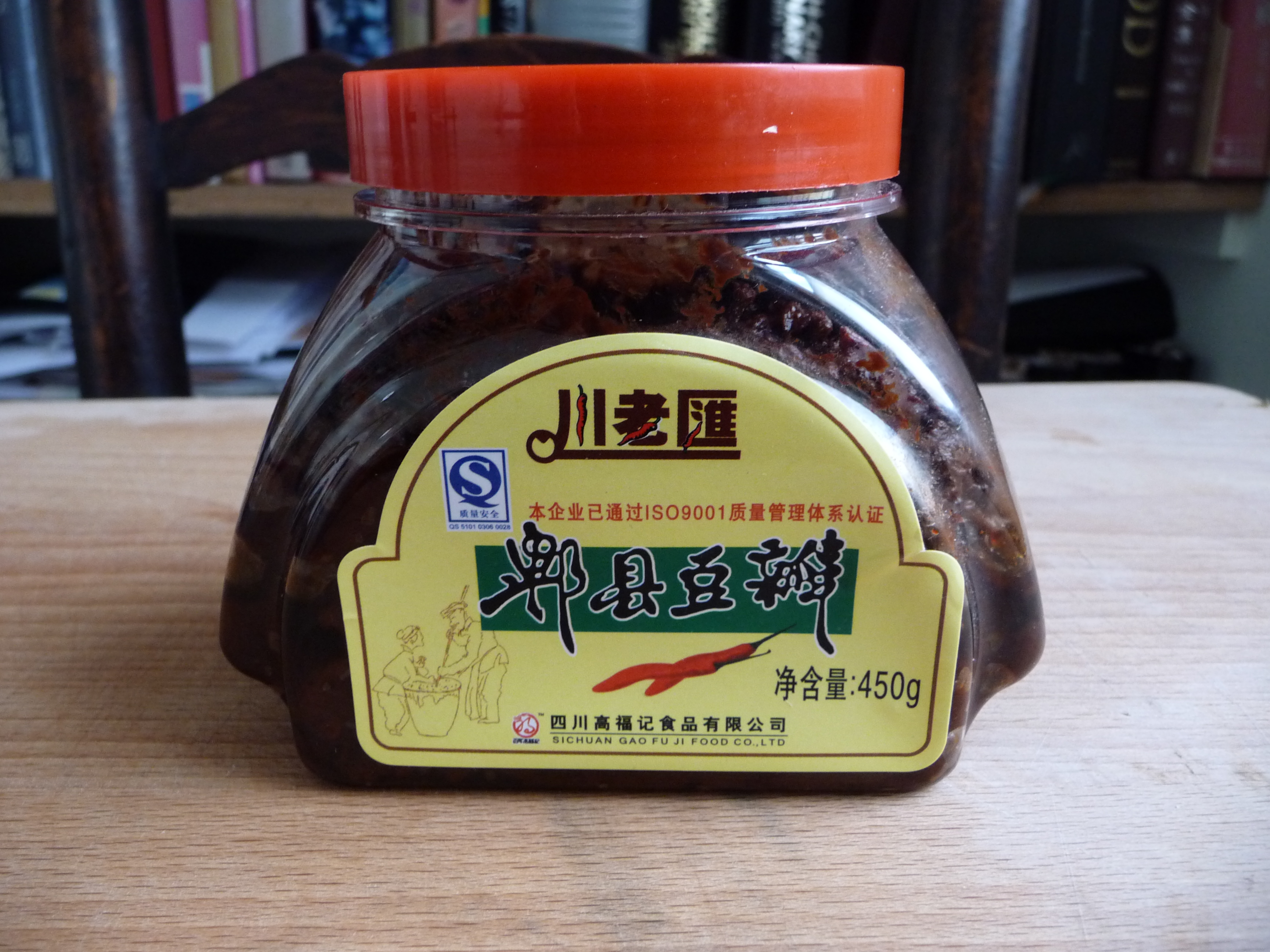
The more I made it, the more I changed aspects of the dish, adding Sichuan peppercorns to get that almost-metallic numbness. I also upped the vinegar aspect and discovered these amazing pickled Sichuan chillis through Josh, which perks the dish up and adds a fiery punch in the gob. I bought them at See Woo on Lisle Street.

This time, shock horror, I vegetarianised the dish, substituting minced pork with deep fried tofu puffs and shiitake mushrooms. Don't feel like you should follow my madness though; it is, undeniably, better with pork.

Traditionally and in restaurants, the aubergines are deep fried. If you've ever deep fried aubergine, you'll know that it soaks up the oil like a very thirsty sponge. I usually shallow fry the slices before they go in the sauce instead, as it eases my conscience and produces an overall less greasy dish. You will be rewarded with soft, silky aubergines in a fire pit of spongy tofu puffs. A most excellent, sweat-inducing dish.


Fish Fragrant Aubergines

Serves 4

1 large aubergine
8 dried mushrooms shiitake
15 deep fried tofu puffs (or use 80gr minced pork)
4 cloves of garlic, minced
2 tsp minced ginger
2 tbsp chilli bean paste (I use this one, available at Chinese supermarkets)
1 tsp light soy sauce (or 1 tsp of the pickled chillis above - not both as it's too salty)
1 tsp dark soy sauce
2 tbsp Chinese cooking wine
3 tbsp Chinese black vinegar
2 tsp sugar
1 tsp cornflour with water to mix
1 tsp sesame oil
2 spring onions, sliced diagonally
1 tsp Sichuan peppercorns

Boil 200ml of water and leave the mushrooms to soak. Slice the aubergine up into thick fingers. Heat some oil in a non stick pan and fry on both sides until browned. Set aside. In a dry pan, toast the Sichuan peppercorns and grind to a fine powder.

In a jug, add the cooking wine, soy sauces, vinegar and sugar and give it a good stir. Remove the mushrooms and slice in half, discarding the stalk. Sieve and reserve the mushroom water. Slice the tofu puffs in half.

Heat 2 tbsp oil in a wok and add the ginger and garlic. Stir fry until fragrant. Add the chilli bean paste and stir to amalgamate. Add the aubergine slices and tofu puffs stirring so that it all gets a good coating, and then throw the mushrooms in. Add the mixture in the jug and half the mushroom water. Simmer on a medium heat for 10 minutes until the aubergines are soft and silky. Finally, mix the cornflour with a little water and add that to the wok, stirring until thickened. Take off the heat, drizzle with the sesame oil and garnish with the spring onions. Add a little pile of those preserved Sichuan chillis to each dish and serve with rice.

It's best to get everything chopped, minced and laid out, as with this kind of cooking everything happens fairly quickly.

Tuesday, 2 September 2008

Sambal Prawns

I spotted some curry leaves at Lewisham market and immediately purchased a bag of them. I kept seeing them in recipes, but couldn't find them for sale anywhere. But of course, once I bought them, I was stuck for ideas and couldn't find said recipes again. Typical.

Asking around, I was told that they're a good addition to any curry, and especially in tarka for dhal. However, Sambal Prawns was suggested to me by Sunflower and it instantly appealed, especially since I hadn't made anything Malaysian before.

I've used a lot of Sunflower's recipes, long before I started this blog and they've never let me down. They're always easy to follow, and extremely tasty. I urge you to give them a go. I made a couple of changes to the recipe to suit what I had in the fridge.

Sambal Prawns

Serves two

10 raw prawns (I use frozen ones, defrosted)
2 tomatoes, cut into wedges
1 small onion, sliced
1 sprig of curry leaves, leaves taken off the stalk
3 tbsp tamarind paste, the thick kind from a jar
8 tbsp coconut milk
1 tbsp sugar
Cooking oil

Rempah (spice paste)

3 Asian shallots (the purple kind), chopped finely
2 sticks of lemongrass, tender part only, chopped finely
2 cloves of garlic, minced
1" piece of galangal - this freezes well, so if you see any for sale buy a lot and slice it to freeze
2 red chillies, deseeded and sliced
4 dried chillis, soaked in boiling water
2 tsp shrimp paste

Using a mini chopper or a pestle and mortar, grind the rempah ingredients into a paste. Heat about 3tbsp of oil up in the wok. Fry the curry leaves until they sizzle, and then (after opening all your windows) add the rempah. Fry for 5 minutes, and then add the onion slices. Fry until softened, and add the tamarind paste, sugar and coconut milk. Add the tomatoes and once they're heated through, add the prawns and turn the heat up to high. Stir fry until the prawns have just turned pink, and take off the heat.

Cucumber slices are suggested as garnish but I didn't have any so I used raw red pepper. I imagine the cucumber would work better as the freshness and crunch would cut through the richness of the sambal.
For my first home-cooked attempt, it was astounding. I couldn't stop eating it; it was fragrant, spicy and rich, accompanied perfectly with just plain white rice. I ate the whole two portions and then had to lie down. This happens with alarming regularity.

I must try more Malaysian food at home; do you have a favourite recipe?

Sunday, 10 August 2008

Har Gau - Prawn Dumplings

Har Gau is usually on all dim sum menus. It certainly is one of my favourites, and I never thought that I'd be able to recreate them at home. The pastry is quite different to that of the potsticker dumplings. When cooked, the pastry becomes translucent and silky.

When Sunflower posted a recipe for these, I had to give them a go. Off I toddled to Chinatown to pick up some wheat starch and tapoica starch. Unfortunately I went without the recipe written down, and when faced with all the different flours, I got confused and picked up glutinous rice flour instead of the tapoica starch. I didn't have the opportunity to go back; no matter, some improvisation would have to do. As the tapoica starch makes up only 20% of the pastry base, I substituted it with cornflour instead.

In comparison to the potsticker dumplings which used bread flour, this dough was easy to work with. It didn't stick to the work top, and after a super-quick knead it transformed into smooth and silky dough. That's where the easiness ended, though. Once I rolled out the dough balls into discs and stuffed them, they were virtually impossible to fold into pleats without the dough splitting at some point. I'm not sure why this is, perhaps because I used cornflour instead of the tapoica starch? But no matter. I improvised and just pinched the dumplings closed into crescent shapes.

The filling I used, to make 18 dumplings:

180gr chopped raw prawn
1 finely sliced spring onion
1 tsp light soy
1/2 tsp sesame oil
Pinch of white pepper and of salt

You can also add diced bamboo shoots, water chestnuts for texture but I wanted to keep it simple for the moment.

They were delicious. It's worth trying to roll the pastry out as thinly as possible. I ate all 18 of them... and then had to have a lie down.

Thursday, 22 May 2008

Siu Mai


Siu mai is one of the most popular dim sum dishes, and quite rightly so. The mixture of pork and prawn, mixed into a paste gives it a springy texture whilst the mushrooms gives them a good savoury depth. If you have access to Chinese ingredients, such as wonton skins, then siu mai is very easy to make and you should definitely give it a try. Wonton wrappers are made with a fine wheat dough and lye water. I don't bother making them myself - life is too short.

Siu Mai

Makes about 24 dumplings

200gr minced pork

150gr chopped raw prawns

3 dried shiitake mushrooms, redydrated and chopped

2 spring onions, chopped finely

Soy sauce to taste

Sesame oil

Pinch of ground white pepper

Won ton skins

Mix all the filling ingredients well, until it becomes a paste. Leave for half an hour in the fridge. When it comes to making the dumplings, place a wonton wrapper on top of an O made by your thumb and index finger, like the picture above. Add a tablespoon of the mixture to the wrapper and push down to make the dumpling. You may have to trim some of the wrapper off (I did). Finish by topping with a dice of carrot, or a pea.

To cook the dumplings, steam on greaseproof paper in a steamer for roughly 10 - 12 minutes. Serve with black vinegar with matchsticks of ginger and/or chilli sauce.

Monday, 31 March 2008

A Food Blog

I've been reading blog posts for a while now, and have noticed that there is an awful lot of them. So I decided to join the masses.

I love food - both eating and cooking it. It is often wondered whether I have hollow legs, and so became the name of this blog.

This blog doesn't really have a theme (aside from food), it'll be just general musings, ramblings, and some recipes. My photography skills leave a lot to be desired but hopefully this will improve. Oriental cuisine is probably the food I cook the most. I lived in Hong Kong from birth till the age of 12 and this has influenced my preference a lot, so I thought I'd start this with some dim sum I made over the weekend.

Potsticker Dumplings (War Tip)

This is one of my favourite dim sum dishes. They're steamed and then fried, so that the bottoms go all crispy while the pleated parts stay soft from the steaming. When I was a kid we often went to a cafe in Wan Chai in Hong Kong, where they served great potsticker dumplings. It was almost ritual that we'd go there, have a huge plate of these and then follow with a cold dessert, called in Cantonese 'dau foo fah', literally 'tofu flower'. It was a block of sweet, silken tofu in a thin sugary syrup, delicious.

Anyway - I digress. The recipe was given to me by a lady on a food forum, named 'Sunflower'.

Makes 15 - 18 dumplings

To make the dough -

100gr plain flour

50ml water


Mix to form a dough and leave for half an hour.

Meanwhile, mix together:

125gr minced pork

2 tbsp spring onion, finely chopped

1 tsp finely chopped ginger

1 tbsp egg white

1 tsp cornflour


Pinch of white pepper

And leave for 30 mins.

Next, knead the dough for a couple of minutes and roll out into a sausage shape. You should be able to cut it into 15 - 18 pieces. Roll out into a circle, then add 1tsp of the pork mince to the centre. Fold in half, pinching the top where the two meet. Carefully fold the pleats, and put it on a floured plate.

To cook, heat 2 tbsp of oil in a non-stick pan and add the dumplings, making sure they sit flat. Add 100mls water, put the lid on to steam for at least 7 mins, topping up with a splash of water if needed. Take the lid off, and fry till the water has evaporated and the bottoms are crispy. Serve with black vinegar with matchsticks of ginger in it and/or chilli sauce.